- Artykuły budowlane i farby
- Budownictwo i Akcesoria
- Dom i kuchnia
- Dom i Ogród
- Dziecko
- Elektronika
- Elektryka i oświetlenie
- Firma i usługi
- Gospodarstwo domowe
- Kolekcje i sztuka
- Materiały budowlane
- Moda
- Motoryzacja
- Narzędzia
- Narzędzia i maszyny
- Narzędzia i sprzęt
- Narzędzia i sprzęt warsztatowy
- Narzędzia i warsztat
- Ogród
- Ogród i taras
- Ogrzewanie
- Produkty z Allegro
- RTV i AGD
- Sport i turystyka
- Supermarket
- Uroda
- Zdrowie


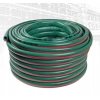
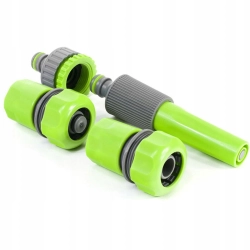
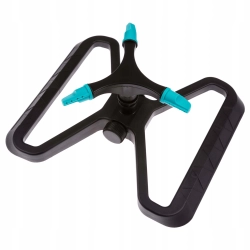
WĄŻ OGRODOWY MOCNY 30m 1/2" ZRASZACZ + 3X ZŁĄCZKI — zestaw 5 produktów
Koszt wysyłki: od 6,00 zł
Numer katalogowy: ALP-13749055055
Kod producenta: S-37803
Stan magazynowy:
Kod EAN: 5901466173053
Stan produktu: Nowy


- Opis produktu
- Recenzje produktu (0)
Oferta dotyczy zestawu: 5 szt.
- 1 szt. — S-37803
- 1 szt. — 8b235f19-5fc3-4d2c-9290-3aaf5497dbf1
- 1 szt. — 5428eee0-e5cd-4162-a38d-37d3c4b2c80a
- 1 szt. — 4411d3ed-023d-4afc-8712-3f3c82cb2d7d
- 1 szt. — b3b82dc8-6676-4fd9-b7b5-1cf0e791616b
Waż ogrodowo-budowlany 1/2" - 30 mb STALCO PLUS ZRASZACZ PLUS ZŁĄCZKA 1/2 PRZLOTOWA PLUS ZŁĄCZKA 1/2 STOP PLUS PRZYŁĄCZE NA KRAN 1/2 3/4
⭆ Średnica - 1/2"
⭆ Długość - 30 mb
- odporny na działanie promieni UV
- odporny na warunki atmosferyczne
- odporny na niskie temperatury
- maksymalne ciśnienie: 20 bar
- czarna dusza - zapobiega rozrostowi glonów wewnątrz węża
- nie zawiera kadmu, baru i ołowiu
- lekki i wytrzymały dzięki 4 warstwom oraz oplocie krzyżowym
- elastyczny
- nowoczesne zielono-czerwone wzornictwo
4 warstwowy wąż budowlano-ogrodowy STALCO Quadro
Przeznaczony do zastosowań w budownictwie oraz domu.
Lekka konstrukcja węża w połączeniu z elastycznością, sprawdza się zarówno na budowie jak i w ogrodzie
Parametry produktu
- Stan: Nowy
- Kod producenta: S-37803
- Marka: Stalco
- EAN (GTIN): 5901466173053
Informacje o bezpieczeństwie
List of hose safety warnings based on the requirements of General Product Safety Regulation (GPSR) 2023/988 * Use the hose as intended. Do not use the hose for purposes for which it is not intended, e.g. for the transmission of chemicals if it is not adapted to do so. * Check the hose before use. Make sure that the hose is not damaged, cracked or rubbed. A damaged hose can break under pressure and cause injury. * Do not exceed the permissible pressure. Use the hose according to the permissible working pressure. Too high pressure can cause the hose to break. * Protect your hose from sharp objects. Avoid dragging the hose over sharp edges or objects that can damage it. Don't leave the snake in the sun. Prolonged exposure to the sun can cause the snake to weaken and crack. * Empty the hose from the water after use. Leaving water in the hose, especially during the winter, can lead to its freezing and damage. * Store the hose in the right way. Roll up the hose and store in a place protected from the sun and extreme temperatures. * Beware of connectors. Make sure the connectors are properly fastened and tight. Leaky joints can cause water loss and reduce pressure. Don't drink water from a snake. Snake water is not drinkable and may contain harmful substances. * Protect the hose from children. Children should not play with a snake without supervision. They can inadvertently damage the hose or injure themselves. * Beware of electrical hoses. If you use a hose for irrigation near electrical appliances, make sure that the hose is insulated and does not conduct electricity. * Do not twist the hose. Avoid twisting the hose, as this can limit the flow of water and damage its structure. * Do not use hose to carry flammable liquids. Using a hose contrary to its intended purpose can cause an explosion or fire. * Conduct regular snake inspections. Check the condition of the hose regularly for damage, leaks or other problems. Regular inspections help to keep the hose in good condition and prolong its service life. * Avoid excessive bending of the hose. Bending the hose too hard can lead to it breaking or blocking the flow of water.
Informacje o bezpieczeństwie
List of safety warnings for fittings and terminals based on the requirements of General Product Safety Regulation (EU) 2023/988 (GPSR): 1. Check compatibility: Make sure the fittings and tips are compatible with the irrigation system I am using. Incorrect fit can lead to leaks or breakdowns. 2. Condition Inspection: Regularly inspect fittings and tips for damage, cracks, or wear. Damaged components can cause leaks or sudden disconnection. 3. Suitable installation: Mount the fittings and tips according to the manufacturer's instructions, using the appropriate tools. Too strong or too weak tightening can damage components or cause leaks. 4. Avoid overloads: Do not exceed the maximum working pressure of fittings and tips. Overload can lead to their damage or disconnection, posing a threat to people in the vicinity. 5. Protect against frost: If fittings and tips are exposed to frost, make sure the irrigation system is properly protected against freezing. Freezing water can damage the fittings, leading to leaks. 6. Sun protection: Long-term sun exposure can weaken the material of fittings and tips. If possible, protect the components from direct UV rays. 7. Safe storage: Store fittings and tips in a dry and cool place, away from children and pets. 8. Disposal: Dispose of worn or damaged fittings and tips in accordance with local environmental regulations. Improper disposal can contaminate soil or water. 9. Caution with chemicals: Avoid contact of fittings and tips with aggressive chemicals that can damage the material. Use only the measures recommended by the manufacturer. 10. Connection protection: Make sure all connections are tight and stable to avoid accidentally disconnecting the irrigation system.
Informacje o bezpieczeństwie
List of sprinkler safety warnings based on the requirements of General Product Safety Regulation (EU) 2023/988 (GPSR): 1. Risk of electric shock: If the sprinklers are electrically powered, make sure the electrical system is operational and compliant with safety standards. Do not touch the sprinklers with wet hands when they are connected to electricity. 2. Risk of tripping and falling: Make sure sprinklers and hoses are not an obstacle on paths and lawns to avoid tripping and falling. 3. Hazard to children and animals: Small sprinkler components can pose a choking hazard to children. Take care of proper storage in the off-season. Make sure that the animals do not chew through cables and hoses. 4. Mechanical Damage: Regularly check the condition of sprinklers, hoses, and fittings for mechanical damage. Damaged components can break under water pressure, causing injury. 5. Water Quality: Use clean water to avoid clogging sprinkler nozzles. Contaminated water can also damage delicate mechanisms. 6. Water pressure: Adjust the water pressure to the sprinkler manufacturer's recommendations. Too high pressure can lead to damage and inefficient irrigation. 7. Sprinkler Setting: Set the sprinklers so that water is not directed to sidewalks, buildings, or other areas that do not require irrigation. This can lead to wasted water and damage. 8. Maintenance: Regularly clean and maintain sprinklers according to the manufacturer's instructions. This will ensure their long-lasting and effective operation. 9. Wintering: Before the onset of frost, disconnect the sprinklers from the water source and empty them from the water to prevent damage caused by freezing. 10. Chemical safety: If you use fertilizers or plant protection products in your irrigation system, follow the manufacturer’s instructions and take special care to avoid contamination of your drinking water.
Informacje o bezpieczeństwie
List of safety warnings for fittings and terminals based on the requirements of General Product Safety Regulation (EU) 2023/988 (GPSR): 1. Check compatibility: Make sure the fittings and tips are compatible with the irrigation system I am using. Incorrect fit can lead to leaks or breakdowns. 2. Condition Inspection: Regularly inspect fittings and tips for damage, cracks, or wear. Damaged components can cause leaks or sudden disconnection. 3. Suitable installation: Mount the fittings and tips according to the manufacturer's instructions, using the appropriate tools. Too strong or too weak tightening can damage components or cause leaks. 4. Avoid overloads: Do not exceed the maximum working pressure of fittings and tips. Overload can lead to their damage or disconnection, posing a threat to people in the vicinity. 5. Protect against frost: If fittings and tips are exposed to frost, make sure the irrigation system is properly protected against freezing. Freezing water can damage the fittings, leading to leaks. 6. Sun protection: Long-term sun exposure can weaken the material of fittings and tips. If possible, protect the components from direct UV rays. 7. Safe storage: Store fittings and tips in a dry and cool place, away from children and pets. 8. Disposal: Dispose of worn or damaged fittings and tips in accordance with local environmental regulations. Improper disposal can contaminate soil or water. 9. Caution with chemicals: Avoid contact of fittings and tips with aggressive chemicals that can damage the material. Use only the measures recommended by the manufacturer. 10. Connection protection: Make sure all connections are tight and stable to avoid accidentally disconnecting the irrigation system.
Producent — dane kontaktowe
STALCO
Ofiar Katynia 1
32-050
SKAWINA
PL
centrala@stalco.pl
696113253
Informacje handlowe
Nikt jeszcze nie napisał recenzji do tego produktu. Bądź pierwszy i napisz recenzję.
Tylko zarejestrowani klienci mogą pisać recenzje do produktów. Jeżeli posiadasz konto w naszym sklepie zaloguj się na nie, jeżeli nie załóż bezpłatne konto i napisz recenzję.